
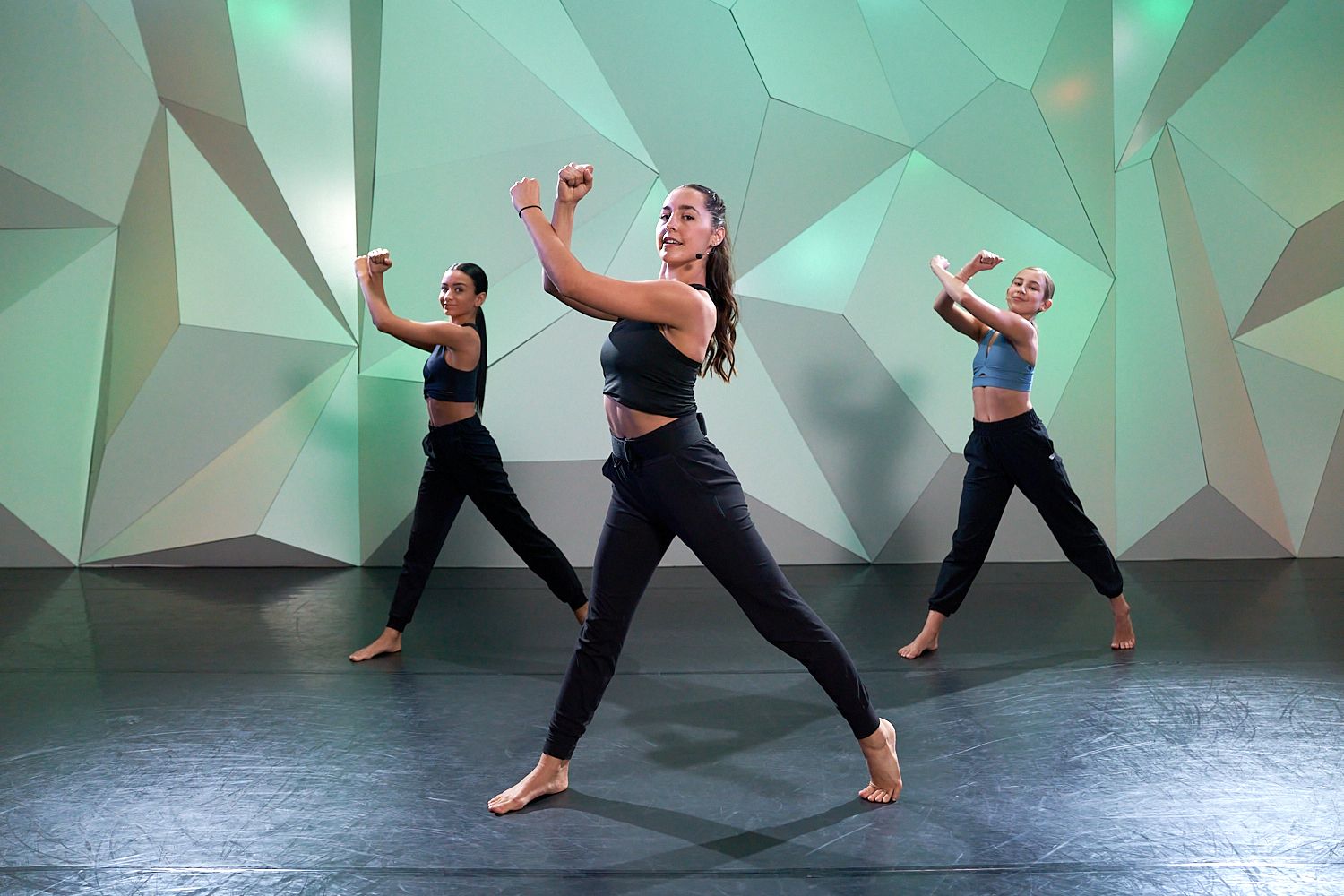

A one-piece outfit can simplify getting ready for class, but the fit has to work from shoulders to legs. Choosing a Dance Unitard means looking beyond a favorite color and considering how the garment feels during movement. The most useful choice is one that suits the class, stays comfortable, and lets the dancer focus on the work.
A standing mirror check is only the beginning. Rehearsal may involve reaching, bending, sitting, and moving across the floor, so the garment needs to be considered in those positions too. A few deliberate checks before the first class can reveal issues that are easy to miss in a product photograph.
Begin With the Class Requirements
Ask the studio or instructor what clothing is permitted before buying a new style. Some classes have a specific uniform, while others allow more personal choice. Check requirements for color, coverage, footwear, and any layers that may be worn over the garment.
Think about the session where the piece will be used most often. An outfit for a weekly technique class may need to meet different expectations from one chosen for a rehearsal or workshop. If it is intended for an audition or performance, follow the organizer’s stated clothing instructions.
Read the individual product description rather than treating every item in a unitard collection as identical. Leg length, neckline, back design, and sleeve coverage can vary between styles. Compare those details with the actual class requirements before narrowing the choice by color.
For a younger dancer, include them in the decision. Ask what feels comfortable and whether they can manage the garment’s opening or closure independently when needed. Practical preferences matter during a busy studio day, especially when there are several classes or changes of clothing.
Check Torso Fit Along With Size
Use the retailer’s size guide and follow its measurement directions. Do not rely only on the size worn in everyday clothing or another dancewear brand. If the chart requests a torso or girth measurement, take it as instructed rather than substituting height.
One-piece clothing connects the upper and lower fit, so check both together. Notice whether the shoulders feel pulled down or the fabric draws tightly through the torso when the arms lift. These are reasons to review the size or cut rather than accept discomfort as part of wearing fitted dancewear.
At the same time, look for excess fabric that shifts or gathers in a distracting way. Sizing up is not automatically the answer to every fit issue. A different style may suit the dancer’s proportions better, particularly when one part fits and another does not.
If measurements fall between sizes, ask the retailer for guidance on the specific item. Provide the requested measurements and explain where the fit concern occurs. Avoid choosing solely from another shopper’s age or height, since those details do not describe every body proportion.
Try Familiar Movements Before Class
Once the garment arrives, review the return conditions before removing tags or wearing it for training. Try it on in a clean setting and follow the seller’s requirements for a returnable fitting. Keep the test brief and use familiar, comfortable movements rather than a full rehearsal.
Reach the arms overhead, bend the knees, and sit or hinge as the planned activity requires. Notice whether the neckline, straps, seams, or leg openings need repeated adjustment. The purpose is to evaluate clothing, not to push the dancer into a deeper stretch.
Check coverage while moving, using ordinary room lighting and the layers intended for class. Fabric appearance in a still photograph does not establish how every size or color will look on every wearer. If something feels uncomfortable or distracting, address it before the first session.
Use a simple fitting checklist:
- The garment meets the studio’s clothing requirements.
- The shoulders and torso feel comfortable during an arm reach.
- The neckline and leg openings stay where the dancer expects.
- Seams and closures do not create an obvious pressure point.
- The dancer can sit and perform familiar movements comfortably.
- The garment works with the footwear and permitted layers planned for class.
A useful final question is whether the dancer keeps thinking about the clothing. An occasional adjustment while getting dressed is different from repeatedly fixing the same area during movement. If the outfit demands constant attention, revisit the fit before deciding to keep it.
Plan for the Whole Studio Day
Consider changing time as well as dancing time. A one-piece garment may have a different dressing routine from separates, particularly when additional layers are involved. Make sure the dancer understands how to put it on and remove it without pulling unnecessarily on straps or delicate details.
Read the care label for the exact piece and keep those directions available. Do not assume that every stretchy garment can be washed or dried in the same way. Fabric, trim, and construction details can require different handling.
Build care into the weekly class schedule. Leave time for washing and drying according to the label, and keep a permitted backup outfit ready when practical. This prevents a last-minute clothing problem from becoming the reason a dancer arrives unprepared.
The right Dance Unitard earns its place through comfortable fit and regular use. When reviewing styles from Tiger Friday, compare the product details and size guidance with the dancer’s class requirements and movement checks. Choose the piece that works for the full studio routine, then follow its care instructions so it is ready for the next session.
