
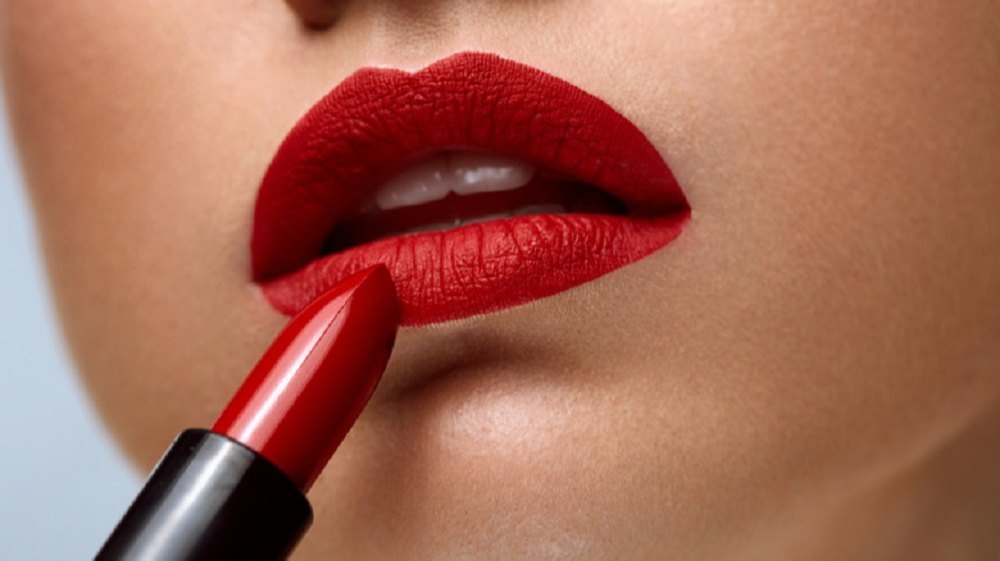

Finding the right red lipstick can feel like an impossible quest. Many beauty enthusiasts spend years buying tubes of crimson, scarlet, and ruby, only to find that the color looks harsh, washed out, or completely wrong once applied. The secret to unlocking a flawless red lip is not about matching your skin color depth alone. Instead, it relies entirely on understanding your skin undertone. When you harmonize your lipstick choice with your underlying skin tone, the result is an instant brightening effect that makes your entire face glow.
Decoding Your Skin Undertone
Before shopping for makeup, you must identify what lies beneath the surface of your skin. Skin tone refers to how fair or deep you are, which can change with sun exposure or seasons. Undertone, however, remains constant year-round. It is the subtle hue beneath the surface that dictates how colors interact with your complexion.
There are three primary categories of undertones: cool, warm, and neutral. Determining which category you belong to requires a few simple observational tests that you can perform at home using natural daylight.
-
The Vein Test: Look at the underside of your wrists. If your veins appear predominantly blue or purple, you lean toward a cool undertone. If your veins look greenish or olive, you possess a warm undertone. If you see a mix of both or cannot decide, you likely have a neutral undertone.
-
The Jewelry Test: Consider whether silver or gold jewelry flatters your features more. If silver makes your skin look vibrant and clear, you are typically cool-toned. If gold warms up your complexion and adds a healthy glow, you are likely warm-toned. People who look equally striking in both metals usually have neutral undertones.
-
The White Paper Test: Hold a clean sheet of pure white paper next to your bare face in front of a natural light source. If your skin casts a yellow, golden, or peach hue against the paper, you have warm undertones. If your skin takes on a pink, rosy, or bluish cast, your undertones are cool.
Red Lipsticks for Cool Undertones
If your skin features cool undertones, you want a red lipstick that shares that same DNA. Cool-toned red lipsticks are formulated with blue, pink, or purple bases. These shades counteract any unwanted yellow or sallow tones in the skin, creating a striking and cohesive appearance. Furthermore, blue-based reds possess a magical optical illusion property: they make your teeth look significantly whiter.
When browsing for shades, look for vibrant cherry reds, classic pin-up crimsons, or deep raspberry hues. Cranberry and rich berry-red variants also complement cool complexions wonderfully during both day and night wear. Avoid heavy orange-based reds, as they can clash with the pinkish hue of your skin and make your complexion look tired or disjointed.
Red Lipsticks for Warm Undertones
Warm undertones radiate golden, peach, and yellow hues. To complement this natural warmth, your ideal red lipstick should lean into the sun-kissed spectrum. This means selecting reds infused with yellow, orange, or terracotta pigments.
Tomato reds, vivid poppy shades, and fiery orange-reds look breathtaking on warm skin because they amplify your natural glow rather than fighting against it. Brick reds and spice-laden burnt reds also provide a sophisticated, muted alternative for everyday elegance. Steer clear of icy blue-based pink-reds, as they can wash you out and give your skin an ashy appearance.
Red Lipsticks for Neutral Undertones
Having neutral undertones is the ultimate makeup jackpot. Because your skin features a balanced mix of warm and cool elements, you possess incredible versatility. You can comfortably pull off almost any shade of red lipstick without worrying about clashing.
If you are neutral, your decision usually comes down to personal preference and the specific look you want to achieve. True red, often called universal red, sits right in the middle of the color wheel with balanced blue and yellow pigments, making it look tailor-made for you. You can also experiment effortlessly with bright orange-reds on vacation or deep wine-toned reds during winter evenings.
Matching Finish and Texture to Your Style
Finding the right hue is only half the battle; the formulation and finish of your lipstick dictate how the color wears throughout the day. Different finishes change how light reflects off your lips, altering the intensity of the red shade you chose.
-
Matte Finishes: Matte lipsticks offer intense pigment payoff and incredible longevity. They provide a classic, velvety look that stays put for hours, making them ideal for long events. However, they can highlight dry flakes, so thorough exfoliation is mandatory beforehand.
-
Satin and Cream Finishes: These formulas provide a comfortable, semi-glossy sheen that glides on smoothly. They offer rich color saturation while keeping your lips hydrated, striking a balance between comfort and impact.
-
Glossy and Tint Finishes: Sheer tints and high-shine glosses offer a modern, wearable approach to red lips. If you find bold opaque reds intimidating, starting with a sheer red gloss allows you to build confidence and color intensity gradually.
Frequently Asked Questions
Can people with fair skin wear dark vampy reds?
Fair skin can pull off deep, vampy reds such as oxblood or deep wine, but the overall effect will be high-contrast and dramatic. If you prefer a softer daily look, lighter cherry or raspberry shades work better, while deep shades reserve themselves well for evening statements.
How do I stop red lipstick from bleeding into fine lines around my mouth?
Red pigments are heavily saturated and prone to migration. To prevent feathering, always outline and completely fill in your lips with a matching wax-based lip liner before applying your lipstick. Setting the edge of your lips with a tiny bit of translucent powder on a small brush also creates an invisible barrier.
Why does my red lipstick sometimes turn pink on my lips?
This phenomenon usually occurs because of your natural lip chemistry and the underlying pigments of the product. Lipsticks with pink or magenta bases mixed with your natural lip color can shift tones. Testing the lipstick on the inside of your arm or your fingertip rather than the back of your hand gives a more accurate representation of how it reacts.
Should my lip liner match my lipstick or my natural lip color?
For a crisp and precise red lip, your lip liner should match your red lipstick shade as closely as possible. Using a nude liner that matches your natural lip color works well for a softer, invisible border, but a matching red liner provides the cleanest definition for bold application.
How can I make my red lipstick transfer-proof for eating and drinking?
To maximize longevity, apply your first layer of lipstick, press a tissue gently over your lips to blot away excess oils, and dust a very light layer of translucent setting powder through the tissue. Follow up with a second thin layer of lipstick for a locked-in, long-lasting finish.
Does olive skin look better with warm or cool reds?
Olive skin tones possess a unique mixture of green and golden undertones, which means they look stunning with both warm and cool reds. Brick reds enhance the golden warmth of olive skin, while blue-based cherry reds create a striking, vibrant contrast that makes olive complexions pop.
What is the best way to clean up mistakes when applying red lipstick?
Because red pigment stains the skin easily, avoid wiping mistakes away with a dry tissue, which only smears the color. Instead, dip a small angled concealer brush into a liquid concealer or foundation and carefully carve around the edges of your lips to clean up any stray lines.

Comments are closed.