
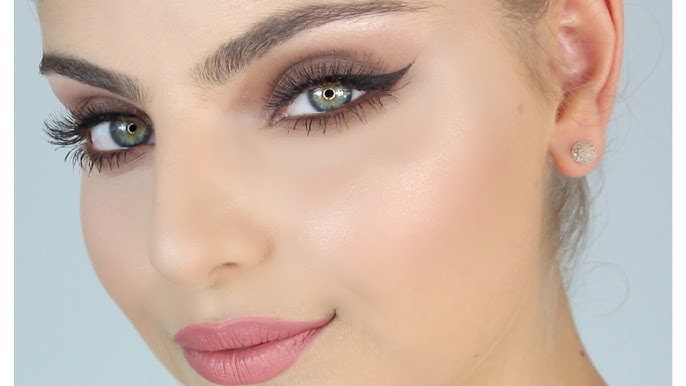

Makeup has evolved far beyond a simple routine of covering flaws or adhering to rigid societal standards. Today, it stands as a dynamic form of self-expression, artistry, and personal care. Whether you prefer a subtle, natural glow for a busy workday or a bold, avant-garde look for a special evening out, understanding the fundamentals of application and product selection transforms how you interact with cosmetics. Modern makeup is less about masking your features and more about enhancing what makes you uniquely you through thoughtful technique and skin-first preparation.
The Foundation of a Flawless Look: Skincare and Prep
The secret to a seamless makeup application does not lie entirely in expensive foundations or high-end brushes; it begins with the canvas underneath. Proper skincare preparation ensures that your products glide on smoothly, adhere properly without clinging to dry patches, and maintain longevity throughout the day.
-
Cleansing and Hydration: Always start with a clean face. A gentle cleanser removes overnight buildup, followed by a hydrating moisturizer tailored to your skin type. Oily skin benefits from lightweight, gel-based hydrators, while dry skin thrives on rich, emollient creams.
-
The Power of Primer: Primers act as a bridge between skincare and makeup. They smooth fine lines, minimize the appearance of pores, and control excess oil production in the T-zone. Select a gripping primer for long-wearing events or a luminous primer for a dewy finish.
-
Sun Protection: Integrating SPF into your routine protects your skin from harmful ultraviolet rays. Many modern primers and foundations include broad-spectrum SPF, though a dedicated sunscreen applied before makeup offers the most reliable defense.
Mastering Complexion: Foundation, Concealer, and Setting
Achieving an even skin tone requires understanding your skin undertone—whether it leans cool, warm, or neutral—alongside your surface skin shade. Mismatched foundation remains the most common pitfall in routine applications, so always test shades along your jawline in natural daylight.
Choosing the Right Coverage
Different occasions and personal preferences dictate the level of coverage you need:
-
Sheer and Tinted Moisturizers: Ideal for casual days, these products offer a breath of color that evens out minor discoloration while letting your natural skin texture shine through.
-
Medium Coverage Liquid Foundations: The versatile middle ground, these formulas blur imperfections while remaining lightweight and comfortable for all-day wear.
-
Full Coverage Creams and Liquids: Best reserved for photography, stage work, or long events where durability is paramount, full-coverage options require careful blending to avoid a heavy appearance.
Strategic Concealing and Sculpting
Concealer should be applied sparingly. Use a color-correcting shade beneath your concealer if you need to neutralize deep dark circles—peach or orange correctors work wonders for deeper skin tones, while salmon and yellow neutralize bluish tones on fair skin. When highlighting, choose a shade one or two tones lighter than your foundation, focusing on the center of the face to create natural dimension.
Framing the Face: Brows and Eyes
Eyes and eyebrows anchor your entire face, framing your expressions and drawing attention to your best features. Neglecting your brows can throw off the balance of an otherwise masterfully applied face of makeup.
Eyebrow Architecture
Your brows should complement your natural bone structure. Use the mapping technique: line the start of your brow with the edge of your nose, your arch with the center of your iris, and the tail with the outer corner of your eye.
-
Pencils and Powders: Use fine-tipped pencils to mimic individual hairs in sparse areas, and softer powders to fill in larger gaps for a diffused, soft look.
-
Gels and Lamination: Clear or tinted brow gels hold hairs in place all day, creating a lifted, feathered effect that instantly modernizes your look.
Eye Shadow and Liner Techniques
When working with eyeshadow, blending is the ultimate key to success. Transition shades laid down in the crease create depth, while darker shades on the outer corner add drama and elongation to the eye shape.
-
Monochromatic Looks: Applying a single wash of neutral or terracotta shadow across the eyelid offers an effortless, chic appearance suitable for daily wear.
-
Precision Liners: Gel pots, liquid felt tips, and traditional pencils allow you to define the lash line. Tightlining—applying liner to the upper waterline—creates the illusion of thicker, fuller lashes without an obvious line of makeup.
Adding Dimension: Blush, Bronzer, and Highlighter
Flat skin looks lifeless, which is why bringing back dimension after applying a uniform layer of foundation is essential. Bronzer, blush, and highlighter work in harmony to sculpt, warm up, and illuminate the face.
+-----------------------------------------------------------------+
|                       FACIAL DIMENSION MAP                      |
+-------------------+---------------------------------------------+
| Bronzer           | Perimeter of face, hollows of cheeks        |
| Blush             | Apples of cheeks sweeping toward temples    |
| Highlighter       | High points of cheekbones, bridge of nose   |
+-------------------+---------------------------------------------+
Bronzer mimics where the sun naturally hits your face. Sweep it lightly across your forehead, cheekbones, and jawline. Blush brings youthfulness and vitality back to the skin; apply it to the apples of your cheeks and blend upward toward the temples to give an instant lifting effect. Highlighter catches the light, accentuating the high planes of your face for a radiant finish.
Lip Colors and Long-Lasting Finishes
Lips complete any makeup look, transitioning it from simple to stunning. From classic red bullets to modern liquid matte formulas and hydrating glosses, the options are endless.
-
Exfoliation and Prep: Smooth lips ensure an even application of color. Use a gentle lip scrub followed by a nourishing balm, blotting away excess oil before applying any pigment.
-
Lip Liners: Defining your lips with a matching pencil prevents feathering and creates a crisp, clean edge. You can also slightly overline the center of your lips for extra fullness, provided you keep the lines natural.
-
Setting the Look: Once your entire face is complete, lock your artistry in place using a fine setting spray. Setting sprays melt the powder layers together, removing the powdery cast and extending wear time significantly.
Frequently Asked Questions
How can I prevent my foundation from separating or sliding off during the day?
Foundation separation usually stems from a mismatch between your skin preparation products and your foundation base. If you use a silicone-based primer, ensure your foundation is also silicone-based rather than water-based, as water and oil repel each other. Additionally, setting your liquid products with a translucent setting powder and finishing with an oil-controlling setting spray locks everything securely in place.
What is the best way to clean makeup brushes to prevent breakouts?
Dirty makeup brushes accumulate bacteria, oil, and dead skin cells that transfer back onto your face, causing clogged pores and blemishes. Wash your synthetic brushes weekly using lukewarm water and a gentle cleanser or specialized brush shampoo. Swirl the bristles on the palm of your hand, rinse thoroughly until the water runs clear, and lay them flat on a towel to dry so water does not seep into the ferrule and loosen the glue.
Can I use expired makeup safely if it looks and smells fine?
Using expired makeup poses significant risks, particularly for eye and lip products where bacteria breed easily. Liquid products like foundations and mascaras harbor mold and bacteria over time, leading to eye infections, styes, or skin irritation. Powders have a longer shelf life, but if you notice a change in texture, a strange odor, or a shift in color performance, it is always safest to discard the product.
How do I determine my correct skin undertone at home?
Look at the veins on the inside of your wrist under natural sunlight. If your veins appear blue or purple, you likely have cool undertones. If they appear green or olive, your undertones are warm. If you cannot quite tell or see a mix of both, you possess neutral undertones. Another helpful test involves holding a piece of pure white paper and a piece of cream-colored paper up to your bare face; see which one makes your skin look vibrant rather than washed out.
What are the essential makeup products for a quick five-minute routine?
For a rapid, polished routine when time is short, focus on products that multi-task. A tinted moisturizer or lightweight concealer covers discoloration and evens the skin tone. A tinted brow gel grooms and defines the brows instantly. A cream blush stick adds color to both the cheeks and the lips simultaneously, and a quick sweep of mascara opens up the eyes to finish the look.
How do I keep my lipstick from smudging or fading while eating and drinking?
To maximize the longevity of your lip color, start by filling in your entire lip with a matching lip liner before applying any lipstick. After applying your first layer of lipstick, blot your lips gently with a tissue to remove excess oils, dust a tiny amount of translucent powder through the tissue onto your lips, and apply a second thin layer of color. This layering technique creates a stain effect that withstands meals much better than a single heavy coat.

Comments are closed.