
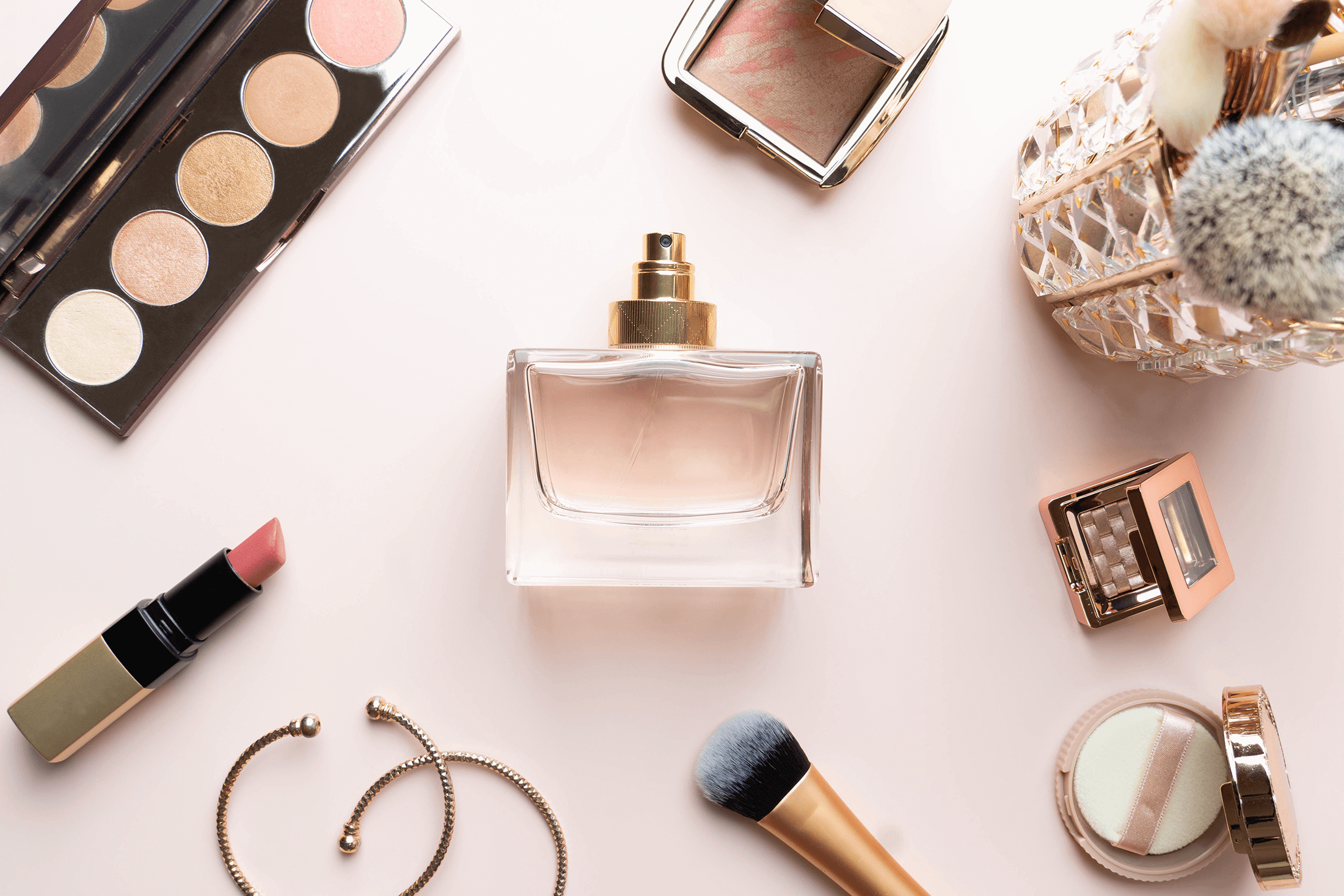

Cosmetics represent a fascinating intersection of art, biology, and chemistry. What began millennia ago as crushed minerals and botanical extracts applied for ritualistic or protective purposes has transformed into a sophisticated multi-billion-dollar global industry. Modern cosmetic formulations rely on advanced chemistry to deliver vibrant colors, pleasing textures, and targeted performance while maintaining strict safety profiles.
Understanding what goes into a cosmetic product allows consumers to make informed choices that align with their skin type and personal preferences. Looking past glossy packaging and marketing claims reveals the fundamental building blocks that make everyday makeup function effectively.
The Anatomy of a Cosmetic Formulation
Every cosmetic product, whether it is a liquid foundation, a pressed powder, or a vibrant lipstick, is a complex chemical mixture. Formulators combine various functional ingredients to achieve stability, texture, and performance.
Emulsions and Surfactants
Many popular cosmetics, such as foundations, liquid highlighters, and lotions, are emulsions, meaning they combine water and oil. Because oil and water naturally separate, formulators rely on surfactants and emulsifiers. These chemical compounds possess dual properties; one end of the molecule binds to water, while the other binds to oil. This molecular bridge keeps the formula seamlessly blended over months or years of shelf life.
Pigments and Colorants
The color pay-off in makeup comes from carefully selected pigments and colorants. These are broadly categorized into mineral pigments, organic dyes, and lakes.
-
Mineral Pigments: Ingredients like iron oxides and titanium dioxide provide earthy tones, opacity, and sun protection. They are exceptionally stable and rarely cause allergic reactions.
-
Organic Dyes: Derived from petroleum or plant sources, these offer intense, vibrant hues commonly found in bold lipsticks and eyeshadows.
-
Lakes: These are organic dyes that have been precipitated onto an insoluble material like aluminum, making them safe and stable for cosmetic application.
Film Formers and Polymers
Products designed to stay put all day, such as waterproof mascaras, long-wear lipsticks, and setting sprays, depend heavily on film-forming polymers. As the product applies and dries, these polymers cross-link to create a flexible, microscopic mesh over the skin or lashes. This mesh resists sweat, sebum, and friction, locking the color pigments securely in place until removal.
Preservation and Microbial Safety
Water-based cosmetic formulations are rich environments for bacteria, mold, and yeast to thrive. Without adequate preservation, a tube of liquid foundation or mascara can quickly become a breeding ground for harmful microorganisms, posing significant health risks to the user, particularly around the sensitive eye area.
The Role of Preservatives
Formulators utilize broad-spectrum preservatives like parabens, phenoxyethanol, and organic acids to inhibit microbial growth. These compounds ensure that products remain sterile throughout their use lifecycle. Despite common misconceptions, preservative-free liquid cosmetics have extremely short shelf lives and require refrigeration or airtight packaging to prevent dangerous bacterial contamination.
Product Stability Testing
Before a cosmetic item reaches retail shelves, it undergoes rigorous stability and challenge testing. Laboratories subject formulations to extreme temperature fluctuations, UV light exposure, and deliberate bacterial inoculation to measure how well the preservatives perform and to ensure the product does not degrade or separate prematurely.
Navigating Clean Beauty and Synthetic Safety
The modern beauty consumer faces a massive wave of conflicting information regarding synthetic versus natural ingredients. Marketing terms like clean, non-toxic, and chemical-free often create unnecessary fear, masking the fact that everything in the universe, including water, is made of chemicals.
-
The Reality of Synthetic Safety: Synthetic ingredients are often laboratory-engineered for purity, consistency, and stability. Many synthetic alternatives are actually safer and more environmentally sustainable than their natural counterparts, which can vary wildly in chemical composition depending on harvest conditions.
-
Allergenic Potential: Natural does not equal hypoallergenic. Plant extracts, essential oils, and natural waxes are frequent culprits behind contact dermatitis and allergic skin reactions, proving that rigorous testing matters far more than the origin of an ingredient.
Proper Storage and Hygiene Practices
Even the highest quality cosmetics can degrade or cause skin issues if handled incorrectly by the consumer. Maintaining good hygiene habits extends product usability and protects the skin barrier.
-
Brush and Sponge Maintenance: Makeup applicators accumulate dead skin cells, sebum, and bacteria daily. Washing brushes weekly with a gentle cleanser prevents these pathogens from transferring back into cosmetic pans and onto the face.
-
Expiration Tracking: Cosmetics degrade over time. Mascaras typically expire after three to six months due to high contamination risks, while powders can last up to two years. Ignoring these timelines can lead to stubborn breakouts or eye infections.
Frequently Asked Questions
Do expired cosmetics lose their effectiveness or pose actual health risks?
Expired cosmetics pose both performance issues and genuine health risks. Over time, preservatives break down, allowing harmful bacteria, mold, and fungi to colonize the product. Using expired eye makeup or liquid foundations can easily lead to bacterial conjunctivitis, styes, and severe skin irritation.
What is the primary difference between mineral makeup and traditional makeup?
Mineral makeup primarily utilizes inert, finely milled inorganic minerals like titanium dioxide, zinc oxide, and iron oxides as its base. Traditional makeup often incorporates a wider variety of synthetic emollients, fragrances, and petroleum-derived binders, which can feel heavier on the skin and trigger sensitivities in reactive individuals.
Can wearing makeup daily permanently damage or stretch skin pores?
Wearing makeup daily does not physically stretch skin pores, as pore size is largely determined by genetics and baseline sebum production. However, failing to thoroughly remove makeup at the end of the day can lead to clogged follicles, blackheads, and stretched-out pore walls due to trapped debris.
Why do certain liquid foundations oxidize and turn orange throughout the day?
Foundation oxidation occurs when volatile oils and pigments within the formula react with oxygen in the air, skin sebum, and natural skin pH. This chemical reaction can alter the chemical structure of the pigments, causing the shade to darken or shift toward a warmer, more orange tone after hours of wear.
Are waterproof cosmetics harder to remove and more damaging to the skin?
Waterproof cosmetics are formulated with resilient waxes and strong film-forming polymers that resist water and sebum. Removing them requires oil-based cleansers or dedicated dual-phase makeup removers. Vigorously scrubbing the delicate skin around the eyes to remove stubborn waterproof mascara can cause premature aging and lash breakage.
Do high-end luxury cosmetics perform significantly better than drugstore alternatives?
Price point in cosmetics often reflects branding, packaging luxury, fragrance quality, and marketing budgets rather than superior performance. Many affordable drugstore cosmetics utilize similar pigment grades, emulsifiers, and active chemical bases as their high-end counterparts, meaning performance often comes down to individual formula compatibility rather than cost.
How does air exposure impact the shelf life of liquid products in jars versus pumps?
Products packaged in open-mouth jars are constantly exposed to ambient air and bacteria from fingers during every application, which degrades active ingredients and accelerates microbial growth. Airless pump packaging protects the formula from oxidation and contamination, significantly extending the hygiene and stability of the product.

Comments are closed.