
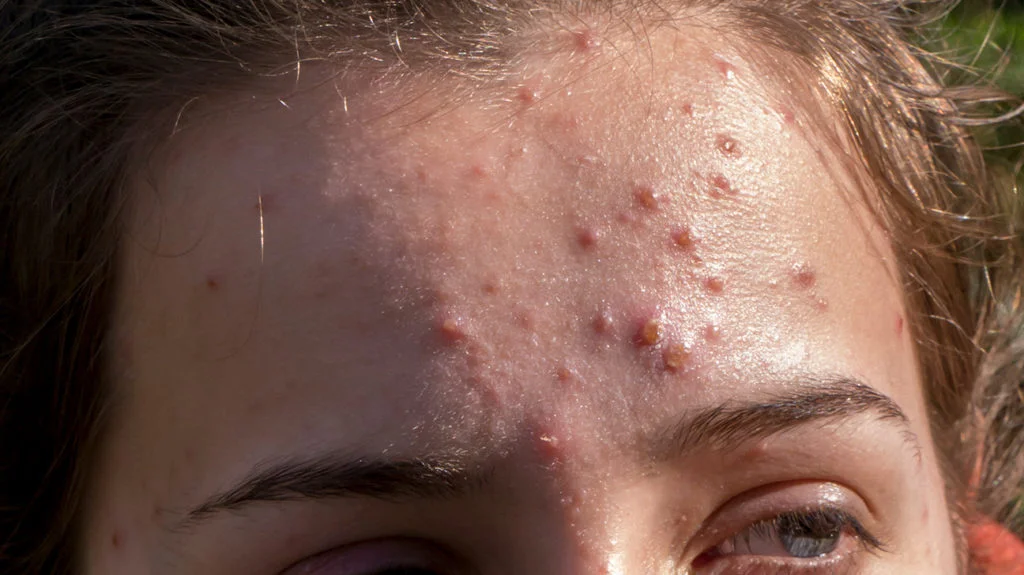

Acne is one of the most common skin conditions worldwide, affecting people of all ages, not just teenagers. While it is often dismissed as a cosmetic concern, acne can significantly impact self-esteem, emotional well-being, and overall quality of life. Understanding why acne occurs and how to manage it effectively is the first step toward clearer, healthier skin.
What Is Acne?
Acne is a chronic inflammatory skin condition that develops when hair follicles become clogged with oil (sebum), dead skin cells, and bacteria. These blockages lead to various skin lesions, including pimples, blackheads, whiteheads, and deeper, more painful nodules.
Although acne most commonly appears on the face, it can also affect the chest, back, shoulders, and arms.
Main Causes of Acne
Acne does not have a single cause. Instead, it develops due to a combination of internal and external factors.
Hormonal Changes
Fluctuations in hormones, especially androgens, increase oil production in the skin. This is why acne is common during:
-
Puberty
-
Menstrual cycles
-
Pregnancy
-
Conditions like polycystic ovary syndrome (PCOS)
Excess Oil Production
Overactive sebaceous glands produce excess sebum, which mixes with dead skin cells and clogs pores.
Bacterial Growth
A naturally occurring bacterium, Cutibacterium acnes, can multiply within clogged pores, triggering inflammation and redness.
Genetics
If close family members have experienced persistent acne, the likelihood of developing it increases.
Lifestyle and Environmental Factors
-
High-glycemic diets
-
Chronic stress
-
Certain medications
-
Use of comedogenic skincare or makeup products
Different Types of Acne
Understanding the type of acne you have is essential for choosing the right treatment approach.
Non-Inflammatory Acne
-
Blackheads – Open clogged pores that darken due to oxidation
-
Whiteheads – Closed clogged pores beneath the skin
Inflammatory Acne
-
Papules – Small, red, tender bumps
-
Pustules – Pimples filled with pus
-
Nodules – Large, painful lumps deep under the skin
-
Cysts – Severe, pus-filled lesions that may cause scarring
Acne Treatment Options
Treatment depends on acne severity, skin type, and individual response. Consistency is key, as results take time.
Over-the-Counter Treatments
Common active ingredients include:
-
Benzoyl peroxide – Kills acne-causing bacteria
-
Salicylic acid – Unclogs pores and reduces inflammation
-
Retinoids – Promote cell turnover and prevent clogged pores
Prescription Treatments
For moderate to severe acne, dermatologists may recommend:
-
Topical or oral antibiotics
-
Hormonal therapy
-
Stronger retinoids
-
Isotretinoin in severe, resistant cases
Professional Procedures
-
Chemical peels
-
Light and laser therapy
-
Professional extractions
Daily Skincare Tips for Acne-Prone Skin
A gentle and consistent routine can greatly improve acne control.
-
Cleanse twice daily with a mild, non-stripping cleanser
-
Use non-comedogenic moisturizers and sunscreen
-
Avoid harsh scrubs and over-washing
-
Do not pick or squeeze pimples
-
Remove makeup before sleeping
Preventing Acne Breakouts
While acne cannot always be completely prevented, certain habits reduce flare-ups.
-
Maintain a balanced, low-glycemic diet
-
Manage stress through exercise or relaxation techniques
-
Wash pillowcases, brushes, and towels regularly
-
Keep hands away from the face
-
Choose skincare products suited for your skin type
When to See a Dermatologist
Consult a dermatologist if:
-
Acne is painful or severe
-
Scarring is developing
-
Over-the-counter products are ineffective
-
Acne affects emotional health
Early medical guidance can prevent long-term skin damage and improve treatment outcomes.
Frequently Asked Questions (FAQs)
Can adults develop acne even without having it as teenagers?
Yes, adult-onset acne is common and often linked to hormonal fluctuations, stress, or skincare products.
Does acne only affect oily skin?
No, acne can occur in dry, combination, and sensitive skin types as well.
Can diet alone cure acne?
Diet influences acne, but it is rarely the sole cause. A combined approach works best.
How long does acne treatment take to show results?
Most treatments take 6–8 weeks before noticeable improvement occurs.
Is popping pimples harmful?
Yes, popping pimples increases the risk of infection, inflammation, and permanent scarring.
Can acne scars be treated?
Yes, several treatments such as chemical peels, microneedling, and laser therapy can reduce acne scars.
Does sunscreen worsen acne?
No, using a non-comedogenic sunscreen actually protects acne-prone skin and prevents post-acne marks.

Comments are closed.